While continuing to use almost the same handmade brewing methods as when the company was founded,Locally sourced raw materialsWe continue to focus on this aspect of our manufacturing process.Made using only ingredients sourced from Akita Prefecture.As a brewery that uses koji trays for koji making and wooden barrels for aging is rare throughout Japan, we have made it our family motto to protect and pass on brewing culture, and we will continue to preserve and utilize historical buildings such as the main house, including the storehouse and brewing cellar, which are registered as national tangible cultural properties, in order to leave the "atmosphere of a traditional miso and soy sauce brewery" for future generations.
Akita's brewing tradition, which began with soy sauce, has continued for 170 years.
Ishimago Honten, located in Yuzawa City, Akita Prefecture, has been producing soy sauce and miso since 1855 (Ansei 2).
The company's history began when its founder, Sonzaemon Ishikawa, decided to start a soy sauce brewing business in this area.
Even today, as a brewery of soy sauce and miso, we continue to cherish traditional manufacturing methods in our production.
Ishimago soy sauce, produced using wooden barrels and koji.
A distinctive feature of Ishimago Honten's soy sauce production is,Natural brewing and wooden barrelsis.
The prepared mash is slowly fermented and aged in wooden barrels made from natural Akita cedar that have been in use for over 100 years.
We brew soy sauce over time, making use of the microorganisms that have taken up residence in the brewery.
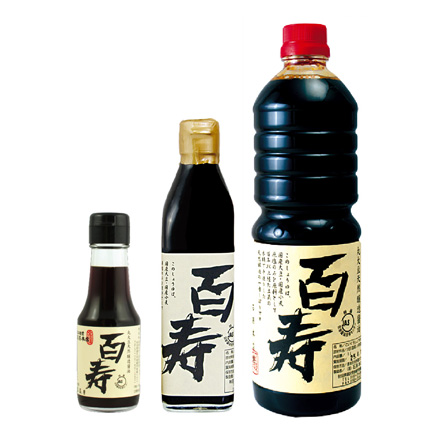
The flagship "Hyakuju" is a naturally brewed soy sauce made with whole soybeans from Yuzawa, the local area. It is made from the first pressing of a carefully aged mash, allowing you to enjoy its rich aroma and deep umami flavor.
Miso made using ingredients from Akita
Alongside soy sauce, miso is another pillar of Ishimago Honten's business.
The miso also uses ingredients sourced from Akita Prefecture, and the artisans cultivate the koji (rice malt) using koji trays.
The flagship "Kanjikomi Yukimigura" is a sweet miso made using rice and soybeans from Akita Prefecture, with three times the amount of rice koji compared to the soybeans.
Furthermore, "Ishimago Black Miso" is made using 100% Akita Komachi rice koji from Akita Prefecture, and is aged for an additional two years.
In all cases, not only the raw materials...The process of cultivating koji, fermenting it, and maturing it over time.That contributes to the flavor.
"Miso Tamari" is a type of soy sauce made from miso.
Ishimago Honten also sells "miso tamari," a byproduct of the long-term aging process of miso.
This liquid naturally separates during the maturation process of miso, and it is a concentrated form of the miso's umami flavor.
It can be enjoyed as a seasoning unique to miso breweries, distinct from soy sauce.
The climate and culture of Akita, and the brewing techniques that have been passed down through generations.
The appeal of Ishimago Honten isn't simply that it's a "long-established miso and soy sauce manufacturer."
Using rice and soybeans from Akita as raw materials, the koji is cultivated and fermented and aged in wooden barrels.
Then, while observing the environment of the brewery and the changes of the seasons, the brewers use the techniques they have cultivated over many years to prepare the sake.
Over 170 years since its founding in 1855.
Akita's raw materials, wooden barrels, koji, microorganisms, and human skill.
We have continued to preserve the traditional brewing culture that combines these elements to this day.
Pure soy sauce aged for over a year Naturally brewed soy sauce Hyakuju photo The umami of Hyakuju combined with the sweetness of rice koji Naturally brewed soy sauce made with rice koji Shoju photo Naturally brewed soy sauce made by re-fermenting honjozo soy sauce with water Hoju photo Carefully aged for two years Choju photo Naturally brewed miso made by re-fermenting the supernatant liquid of amber-colored miso Miso tamari photo MISO MISO's commitment to natural brewed miso Making starts with making rice koji. It is said that the key to brewing is koji, but here, the experience and intuition of the brewers are in charge of every step. When it is mixed with steamed soybeans and salt and left to rest in wooden barrels, as the temperature rises, you can hear the sound of fermentation popping from under the weights. Before shipping, the miso in the wooden barrels is completely transferred to another wooden barrel and "turned over". Photo Making rice koji Steamed rice is loosened with bare hands, the brewers use their intuition to find the right temperature, and when it is at the right temperature, koji mold is sprinkled on. He uses his "senses" to measure things that are not always constant, such as the climate and the condition of the rice. This is why Ishimago does not call his workplace a "factory". He tends to the rice koji in the koji lid made of natural cedar, and after three days it is covered with cotton-like mycelium. photo A soybean steaming pot is a huge steaming pot. Once the pot is full of soybeans, they are steamed for about half an hour under pressure. Miso is made every year in early spring. When the sweet aroma of soybeans fills the storehouse, you can feel that spring has arrived. photo The raw miso to be aged is pressed into wooden barrels. After putting the rice koji, salt and steamed soybeans together into the wooden barrels, a weight of about 10% of the total weight is placed on top. The wooden barrels, which have been in use for over 100 years, are home to storehouse yeast (Ishimago Ebisu yeast), which promotes aging over about 8 months. photo Containerization To ensure uniform quality, the aged miso is moved to another barrel, with the contents turned upside down, and then it is packaged and delivered with the yeast still alive. Ishimago's miso is made with local rice and soybeans, and you can enjoy a variety of flavors depending on the ratio of rice to soybeans and the aging period. Photo Product List Made with 100% locally grown sprouted brown rice Sprouted brown rice brewed Sonzaemon Miso Photo Sweet, cold-brewed Yukimi-gura miso made with three times the amount of rice koji as soybeans Handmade with rich flavor and aroma No. 5-gura miso Sweet miso aged for over two years Kuro Miso photo Low-salt miso made with 100% brown rice Ishimago no Kin no Kura photo Our most popular Ginjo Sonzaemon Miso, made with a generous amount of rice koji Photo Traditional, authentic Akita country miso Tokujo Ishimago Miso photo A rare medium-spicy miso from Ishimago Revival Ishimago Miso photo View Soy Sauce Products 6-month aged Shio Koji Shio Koji Photo Shio Koji made with sprouted brown rice Sprouted brown rice Shio Koji Shio Koji Photo Pickled in naturally brewed miso Ishimago no Miso Pickles photo Ishimago's special "Nanban Miso" Spicy Nanban Miso Photo Arita ware soy sauce spray to prevent overuse (photo) Canvas apron bag that becomes more comfortable with use (photo) Soy Sauce SOY SAUCE Our commitment to natural brewed soy sauce Soy sauce making begins with roasting wheat over coal. It is combined with steamed soybeans to make the base for soy sauce mash, and care is taken day and night to maintain a constant temperature in the stone chamber until the koji is ready. Even after being placed in wooden barrels over 2 meters high, stirring continues with a paddle so that the yeast of the brewery and the climate of the four seasons can be fully utilized. (photo) Roasting wheat A brick-built wheat roasting machine that uses coal. It must have been state-of-the-art when it was introduced in the Taisho era, but now it is so rare in Japan that it took several years to repair because it is impossible to find a craftsman to rebuild the bricks. The fragrant smell of roasting wheat fills the air. (photo) The start of brewing Soy sauce is brewed during the coldest part of winter. The bright red glow of the coal, the warm light of the charcoal, and the flames of the burning straw fill the heart with excitement. The coal comes from Hokkaido. The charcoal and rice straw used to keep the koji room warm are made by local people every year. The temperature of the koji room where the koji is made is regulated by the embers in the hearth on the floor and the air vents in the ceiling. This is managed day and night. Making koji for soy sauce requires even more meticulous management and care. The craftsmen loosen the koji and feel the growth of the koji mold through their fingertips. Stirring and maturation The koji is carried and poured into the 5-ton wooden barrels many times until they are full. The natural cedar wooden barrels, which have been in use for over 100 years, store the brewery's own yeast (Ishimago Ebisu yeast) on the wood surface and ferment for a year and a half. The brewers continue to stir the moromi many times until it is ready. The soy sauce base and moromi (fermented mash) that have been pressed, bottled, and aged are placed in hemp bags and lined up, and then separated into soy sauce and soy sauce lees using a pressing tool called a fune. The bottling is also done by hand, and the aroma of the finished soy sauce is checked as it is bottled. Sonzaemon Miso "Meguru" [170th Anniversary Commemorative Product] 960 yen (tax included) Re-brewed Soy Sauce "Keiju" [170th Anniversary Commemorative Product] 770 yen (tax included) Miso Tamari Baumkuchen [170th Anniversary Commemorative Product] 2,700 yen (tax included) Meguru 3-piece set [170th Anniversary Commemorative Product] 3,000 yen (tax included) Keiju, Hoju, Hyakuju set [170th Anniversary Commemorative Product] 170th Anniversary Commemorative Product: Keiju, Hoju, and Hyakuju Set 2,200 yen (tax included) 170th Anniversary Commemorative Product: Keiju and Keiju Set 3,400 yen (tax included) 170th Anniversary Commemorative Product: Keiju and Keiju Set 2,600 yen (tax included) 170th Anniversary Commemorative Product: Keiju 3-Bottle Set 2,600 yen (tax included) 170th Anniversary Commemorative Product: Keiju 3-Bottle Set 2,600 yen (tax included) 170th Anniversary Commemorative Product: Keiju Set 2,600 yen (tax included) 170th Anniversary Commemorative Product: Keiju Set 2,600 yen (tax included) 170th Anniversary Commemorative Product: Keiju Set 2,600 yen (tax included) 170th Anniversary Commemorative Product: Keiju Set 2,600 yen (tax included) 170th Anniversary Commemorative Product: Keiju, Hoju, and Hyakuju Set 2,2 Set 2,200 yen (tax included) 170th Anniversary Commemorative Product: Keiju, Hoju Set 2,200 yen (tax included) 170th Anniversary Commemorative Product: Keiju, Hoju Set 2,200 yen (tax included) 170th Anniversary Commemorative Product: Keiju 1,300 yen (tax included) 1,300 yen (tax included) Ginjo Sonzaemon Miso ◇ Ginjo Sonzaemon Miso ◇ 1kg value pack 1,150 yen (tax included) 1,150 yen (tax included) Ginjo Sonzaemon Miso (800g) ◇ Ginjo Sonzaemon Miso (800g) ◇ 1,150 yen (tax included) Naturally brewed, double-fermented miso tamari Naturally brewed, double-fermented miso tamari 300ml glass bottle 860 yen (tax included) 860 yen (tax included) Reissued Ishimago Miso ◇ Reissued Ishimago Miso ◇ 1kg value pack 1,150 yen (tax included) 1,150 yen (tax included) Naturally brewed, double-fermented miso tamari Naturally brewed, double-fermented miso tamari 1L PET bottle 1,890 yen (tax included) 1,890 yen (tax included) Double-brewed soy sauce Hoju Double-brewed soy sauce Hoju 300ml glass bottle 1,080 yen (tax included) 1,080 yen (tax included) :..。o○☆*゚¨゚Delicious recipes・*:..。o○☆*゚¨゚゚・*:..。o○☆*゚¨゚゚・*:..。o○☆*゚¨゚Recipe supervision: Kaori Yonemoto Recipe supervision: Nippon Television, Tokkuri no Ki Recipe supervision: Akiko Koyama Recipe supervision: Ishimago Honten We have renovated and reopened to commemorate our 165th anniversary. We have restored the main building to its original state and set up an event space, and in the sales corner we have made efforts to allow customers to find their favorites while sampling the products. You can also see the detached tatami room built in the early Showa period in the Shoin style. We have also prepared a tour course for our brewery, which is still an active workplace, allowing you to see areas that were previously off-limits. Ishimago's brewery was built during the Meiji and Taisho periods and remains in its original form, still serving as an active brewing site. All of the brewery buildings were built by the same master builder, incorporating Western architectural styles, and have been recognized for their value in the field of architecture, and are registered as a national tangible cultural property. Enjoy a tour of our manufacturing site, which feels like a step back in time, and is far from a typical "factory," featuring large brewing vats made from rare natural Akita cedar and the only remaining barley roasting machine in Japan. Ishimago considers preserving traditional techniques for future generations as one of its jobs, and aims to become a hub facility for fermentation culture, not just a manufacturing plant. We look forward to your visit. ★Please refrain from eating natto during your brewery tour. The bacteria will affect the environment of the brewery, so please cooperate by not eating it before coming. ◎Please make a reservation at least 3 days in advance. For last-minute reservations, please call us! [TEL 0183-73-2901] [Warehouse Tour Reservation Form] https://airrsv.net/kurakengaku/calendar Price: 1,000 yen per person, includes a choice of souvenir (Elementary school children and younger: Free) Duration: Approximately 1 hour Closed: Second Saturday of every month ●Reservations for 10 or more people are accepted by phone. Inquiries [TEL: 0183-73-2901] See the history of approximately 170 years since the company was founded in 1855 with photographs. The workplace is inside the warehouse. We will give you a glimpse into the daily lives of the craftsmen. <Access Map> This is a traditional, pure soy sauce made using only locally produced soybeans from Yuzawa, wheat from Akita Prefecture, and coarsely ground sun-dried salt as ingredients, and water from the Ishimago well, which has never run dry. The soybeans are not crushed but left whole, and are brewed in a large wooden vat with a circumference of 4 meters, which sits in the warehouse, a nationally registered cultural property, and only the first pressing, which has been aged for more than a year, is used. This is a naturally brewed soy sauce made using traditional methods that have been faithfully preserved for centuries. Recommended uses: Hyakuju is a dark soy sauce characterized by its rich umami and aroma. It is a versatile soy sauce that brings out the flavor of ingredients, such as in buttered potatoes, and its aroma is enhanced when used as a dipping sauce for dumplings. Nutritional information (per 100g): Energy 88kcal, Protein 8.9g, Fat 0.0g, Carbohydrate 13.0g, Salt equivalent 17.7g Product information Ingredients: Soybeans (Akita Prefecture), Wheat (Akita Prefecture), Salt Shelf life: 365 days Storage method: Store in a cool, dark place away from direct sunlight and high temperature and humidity. Caution: Because no preservatives are used, a film of yeast (a white mold-like substance called koji mold) may occasionally appear. Although the film of yeast is harmless to humans, it will affect the flavor, so we recommend refrigerating after opening. Salt content 17.5g.% Allergens contained in the ingredients: Wheat, soybeans Made with sprouted brown rice Sonzaemon Miso Photo This miso is made using 100% sprouted brown rice, which is Akita Komachi rice grown in the prefecture and naturally sprouted in the husk. Unlike ordinary rice, it is covered with rice bran, making the most important step in the brewing process, "koji making," difficult. After much trial and error with steaming time and temperature, it was finally completed. The matured product has a crisp taste and aroma, and is a sweet miso with a clean finish and the depth of flavor from the rice koji. You can enjoy the chewy texture of the brown rice even when using it as is. What is sprouted brown rice? Sprouted brown rice is brown rice that has been naturally sprouted in the husk and then had the husk removed. More than other germinated brown rice, its nutrients are completely preserved. Germination awakens and activates enzymes (substances that assist chemical reactions), increasing various nutrients necessary for the growth of new sprouts. It is packed with vitamins, minerals, and plant-based dietary fiber, and contains about 23 times more GABA (gamma-aminobutyric acid) than white rice, making it extremely nutritious. It is a rice with such a balanced nutritional profile that it is called brown rice that surpasses regular brown rice. It overcomes the shortcomings of brown rice, such as its smell and difficulty in eating, and is also characterized by its sweet and delicious taste. Nutritional information (per 100g) Energy 204kcal Protein 10.0g Fat 5.1g Carbohydrates 29.4g Salt equivalent 10.4g Product information Ingredients: Rice (Akita Prefecture), Soybeans (Akita Prefecture), Salt Shelf life: 180 days Storage method: Store in a cool, dark place away from direct sunlight and high temperature and humidity. Caution: Because no preservatives are used, a film of yeast (a white, mold-like substance called koji mold) may occasionally appear. While this film of yeast is harmless to humans, it does affect the flavor, so we recommend refrigerating after opening. Taste guideline: Medium sweet (salt content approximately 10.0%) Allergens contained in the ingredients: Soybeans